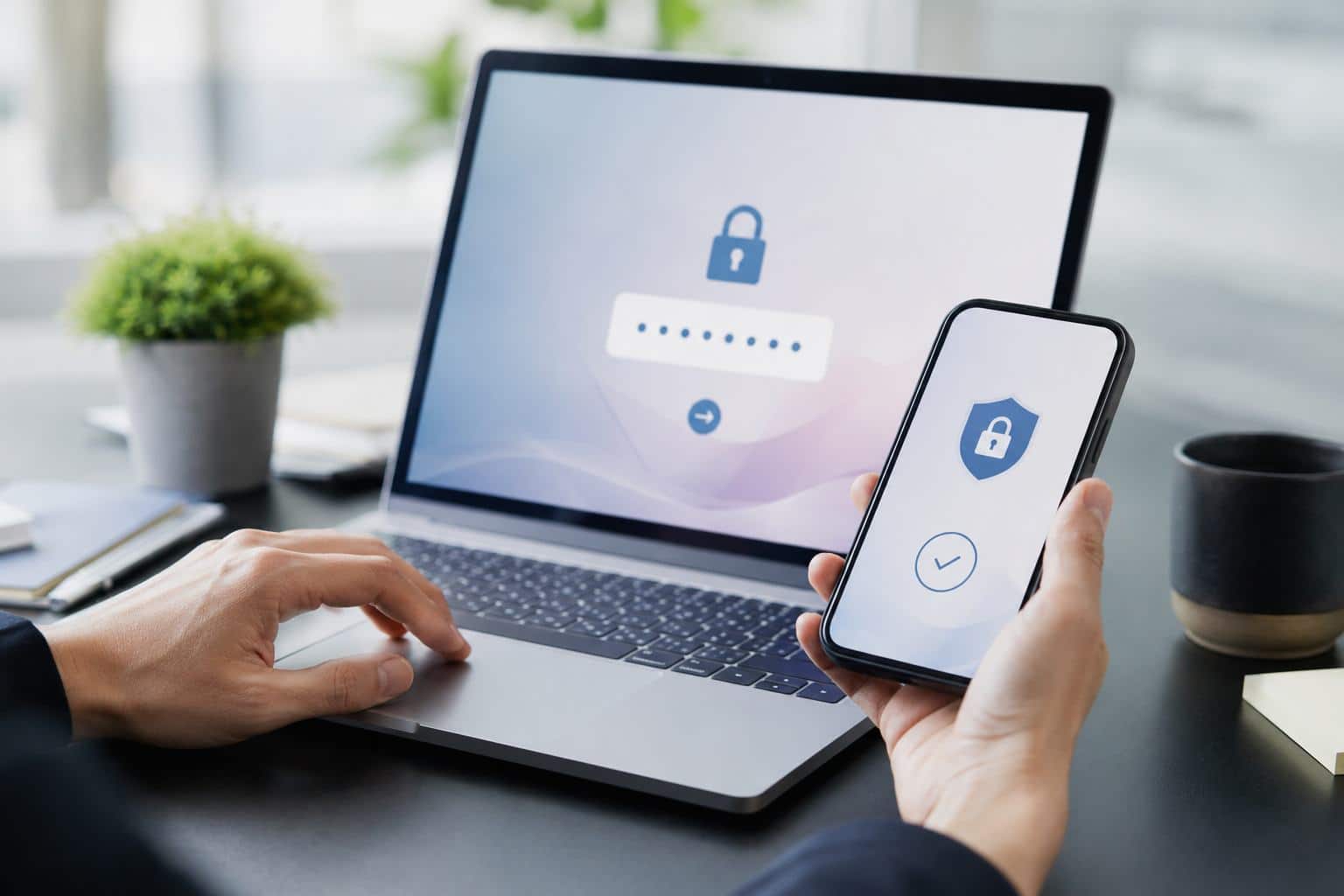
Phishing is not new, but the newest Microsoft 365 scams are getting much harder for employees to recognize. Instead of simply asking someone to type in a password on a fake website, some attackers are now trying to get users to approve a login that looks legitimate.
That matters because many small businesses have done the right things already. They use Microsoft 365. They have stronger passwords. They may even use multi-factor authentication. But in 2026, some scams are designed to work around old assumptions about what a phishing attack looks like.
Microsoft reported on April 6, 2026 that it observed a widespread campaign using the device code sign-in process to compromise business accounts at scale. In simple terms, attackers send a convincing message that pushes a user to complete a sign-in step using a real Microsoft page. The employee may think they are opening a shared document, checking voicemail, or reviewing a request. In reality, they are approving access for the attacker.
This is part of why these scams feel more believable. The sign-in page may not be fake. The urgency in the message is fake.
Public reporting this spring also showed that Microsoft 365 organizations across multiple countries were being targeted with this method. For a busy office, that creates real risk because the message often looks close enough to normal business activity that someone may click first and question it later.
For a small business, one compromised Microsoft 365 account can cause more than an inbox problem.
An attacker who gets into a work account may be able to:
This is how small incidents turn into lost money, downtime, and trust problems. A single account in email often connects to calendars, files, contacts, Teams, and other business systems.
The simplest and most practical step is to educate employees that not all sign-in scams request a password.
Your team should know these rules:
Small businesses should also review whether their Microsoft 365 setup includes modern anti-phishing protections, strong sign-in controls, and account monitoring. Many companies assume these settings are fully in place when they are only partially configured.
In 2026, email security is no longer just about avoiding obvious fake links. It is also about recognizing when a scam tries to borrow the appearance of a legitimate Microsoft process. That is a tougher problem for employees to solve on their own, which is why clear policies and managed oversight matter.

Himala and his team at Cybernetic Networks have been amazing. We have been a customer of Cybernetic Networks for well over 14 years now, both personally and professionally. Himala and his team are professional, reachable and on the cutting edge of technology. We have enjoyed doing business with Cybernetic Networks for many years and still rely on their knowledge, skills and technology every day
Himala and his Cybernetic team have never let me down! For over 10 years now they have been fixing my technical issues, set up all my new networks and computers and have safeguarded me from any hackers or malware. You can trust this company to navigate you as your company grows and to keep you on track with the latest in security and safety
I am a solo practicing neurologist and have had all my IT needs covered through Cybernetic Networks since 2007. They are the best! All of their tech support staff is extremely knowledgeable and efficient. Just as importantly, they are quickly responsive whenever we need their assistance. I couldn’t be happier with their service and give them my highest recommendation!
I couldn't be happier with Cybernetics - they are experts, always respond quickly , and solves any issues I have.
Cybernetic Networks has been advising and supporting all our IT issues and purchases for the last 18 years. They are very responsive and extremely knowledgeable- always providing us with timely services.
It is not often you find small business companies that are not only rewarding to work with, but also have integrity, truth and skill. I have worked with this company for over 20 years, and the service is outstanding. I can easily recommend that if you need an IT company, this is the one to get. Full STOP! Look no further, you will be happy that you did. Sue Myhelic, Gulf Breeze Real Estate, Naples, Florida.
Himala and his team from Cybernetic Networks, Inc. has been an integral part of our successful retail business for the past 20 years. He is extraordinarily knowledgable and always available for our IT needs. Thanks to Himala and his team we are always up and running.