
That “deal of the year” could be a trap.
Why holiday scams work so well in a busy shopping week.
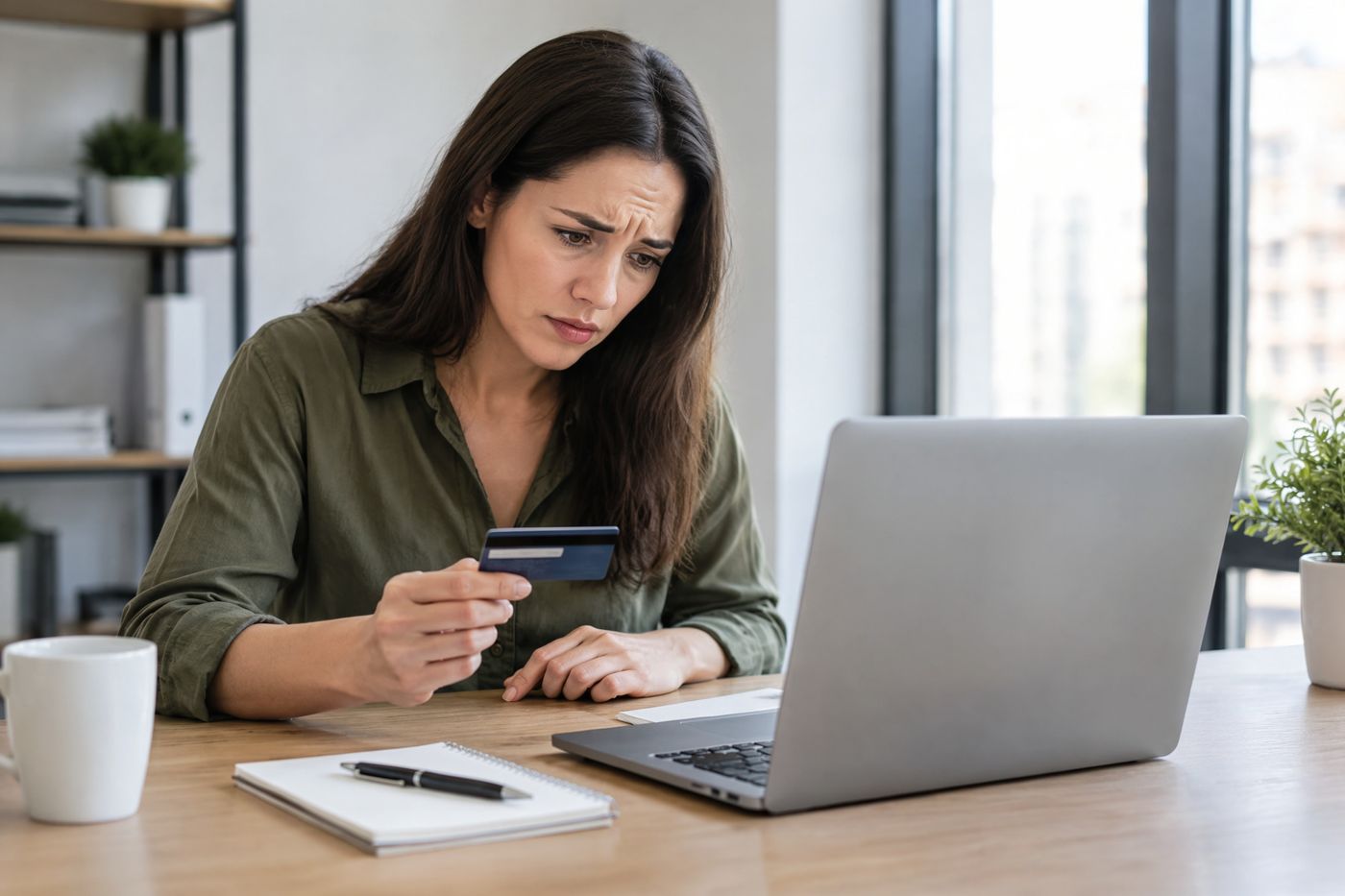
Every year the busiest shopping week is also the busiest week for scammers. They know your team is ordering supplies and gifts, tracking packages and answering email fast. So they copy exactly those things: a store, a delivery notice, an order confirmation, a request from the boss.
The tricks aren’t new, but they’re more convincing than ever. Fake stores now copy real brands perfectly, and AI writes emails without the spelling mistakes that used to give scams away.
Losses are real. Americans reported more than $785 million lost to non-delivery and non-payment scams in 2024, according to the FBI’s Internet Crime Complaint Center. And a scam that starts on a work computer rarely stays there: the same password, email or network can expose the whole office.
Has anyone in your office received a fake delivery text this month?
What to do this week
- Check the web address before you type a password or card number.
- Pay the safe way: credit card only.
- Verify anything unusual through the real app, or a phone number you already trust.
- Share the desk card below with everyone in the office.
Printable desk card + 5-minute staff training sheet
Enter your work email to unlock this month's downloads and get every new issue.
Unlocked. You're on the list for next month's issue.